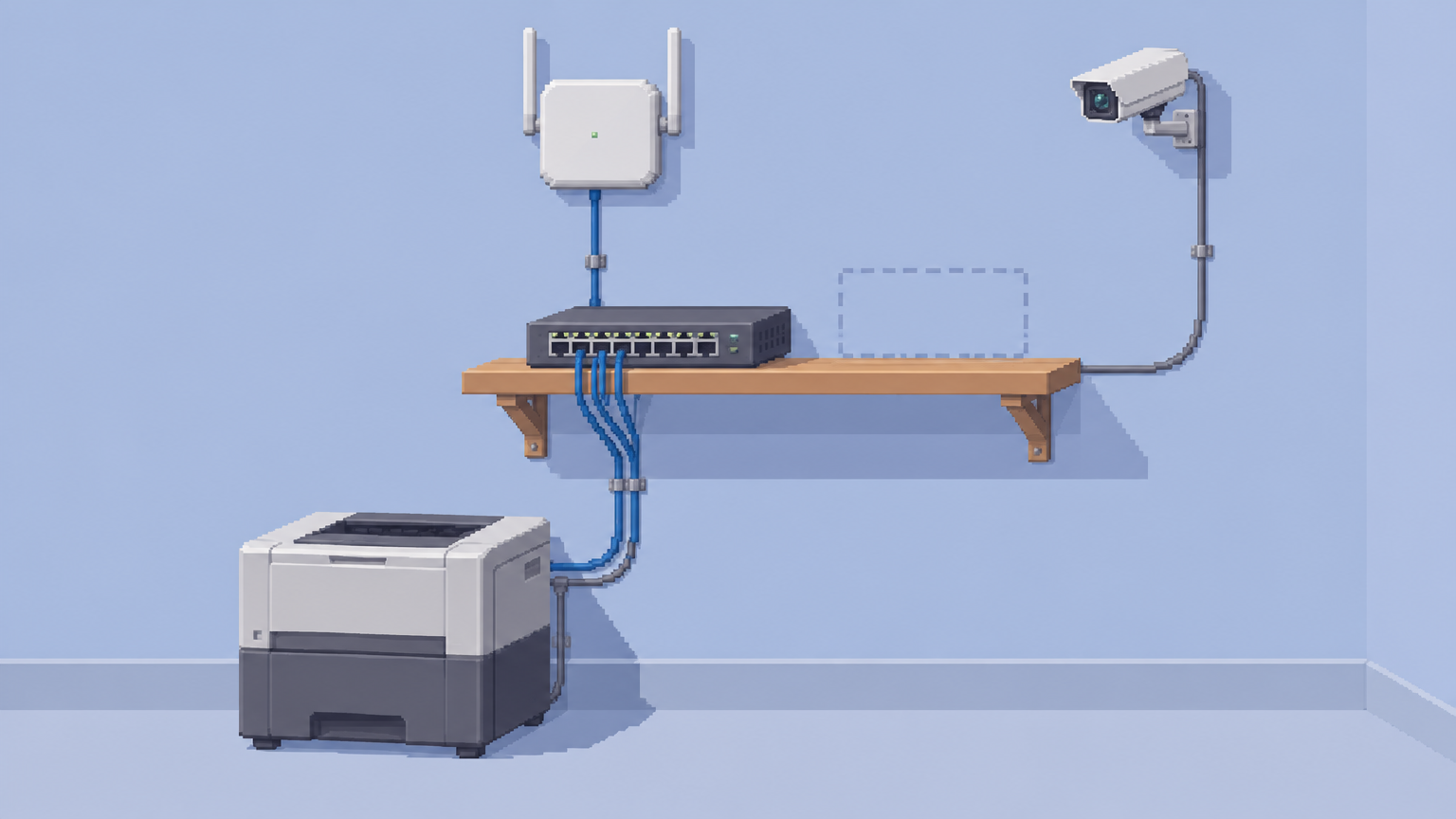
NetApp is adding a metadata capability to its AI Data Engine that also indexes storage from other vendors. According to the company, data does not need to be copied or moved for this. NetApp is also linking its ransomware detection to Commvault’s recovery workflows, with management via the Commvault console.
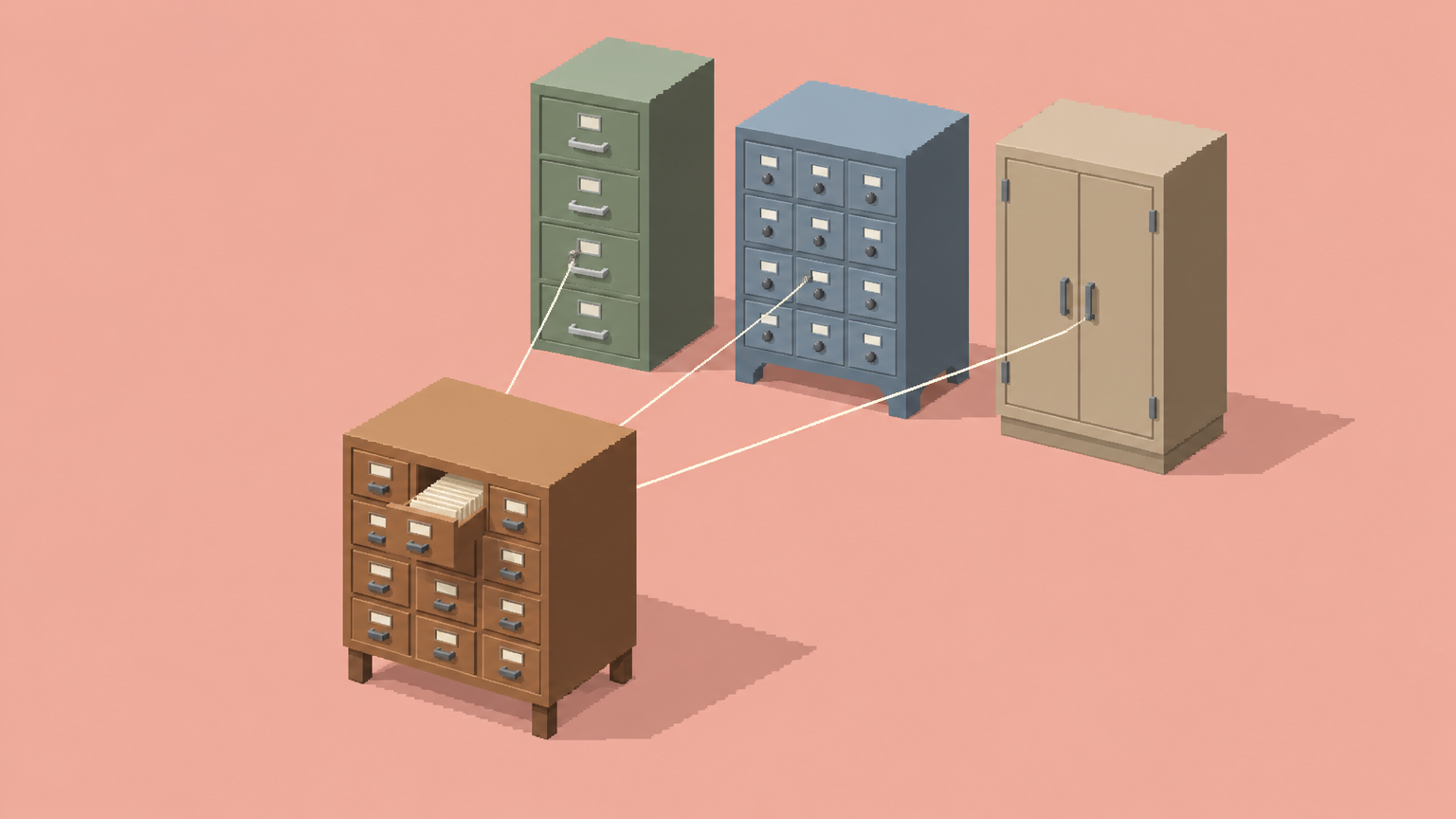
NetApp AI Data Engine (AIDE) is gaining a heterogeneous metadata capability. According to NetApp, this enables organisations to discover and classify data where it already resides, without first copying or moving it. The company describes this as a zero-copy approach. AIDE collects metadata from data on NetApp ONTAP, StorageGRID and storage from other vendors, across NFS, SMB and S3 environments.
Metadata across multiple storage environments
NetApp says the capability allows organisations to find data more quickly, reduce security risks, optimise storage and determine which data is suitable for use in AI applications. The company is positioning the approach as an alternative to pipelines in which data is first copied, moved and processed before AI agents can work with it. According to NetApp, existing access controls and data protection remain in force.
Joost Van Drenth, Senior Manager Solutions Specialist and Field CTO at NetApp, says AI projects have relied for too long on complex pipelines that move data away from where it is created, managed and protected. According to Van Drenth, NetApp has opted to activate data in its original location, while maintaining governance and security. He says AIDE and the partnership with Commvault are intended to provide agents with reliable business context while also strengthening the recovery capabilities of AI environments.
Recovery via the Commvault console
The second part of the announcement is a revamped joint solution from NetApp and Commvault for protecting and recovering the data behind AI workloads. The solution combines NetApp’s threat detection and scanning, including its autonomous ransomware protection and immutable data protection, with Commvault’s recovery workflows. Data is validated in an isolated environment before being restored. Administrators control the workflows from the Commvault console.
According to NetApp, this means joint customers can recover within minutes rather than days or weeks, without systems becoming reinfected. Pranay Ahlawat, Chief Technology and AI Officer at Commvault, says attackers using AI are shortening the response time available to organisations. Ahlawat expects the integration to help customers respond more quickly and reduce the mean time to clean recovery, which Commvault refers to as MTCR.
Next steps and availability
NetApp sees the updates as a foundation for further applications, such as semantic search, knowledge graphs, decision context and the direct use of data by AI agents. In the short term, the company expects customers to see results mainly in storage management and governance.
The announcement does not include pricing or specific availability dates. NetApp states that statements about unreleased products and future plans are subject to change without prior notice and do not constitute a commitment regarding functionality, pricing or timing.
This article was originally published in Dutch on MSP Business. Read the original →